Resources
Explore published articles that drive our mission, scientific insights, and industry news.
Why It Matters: A Growing Crisis at Sea
An increase in ship collisions is endangering whales worldwide. Here are some recent articles regarding this issue.
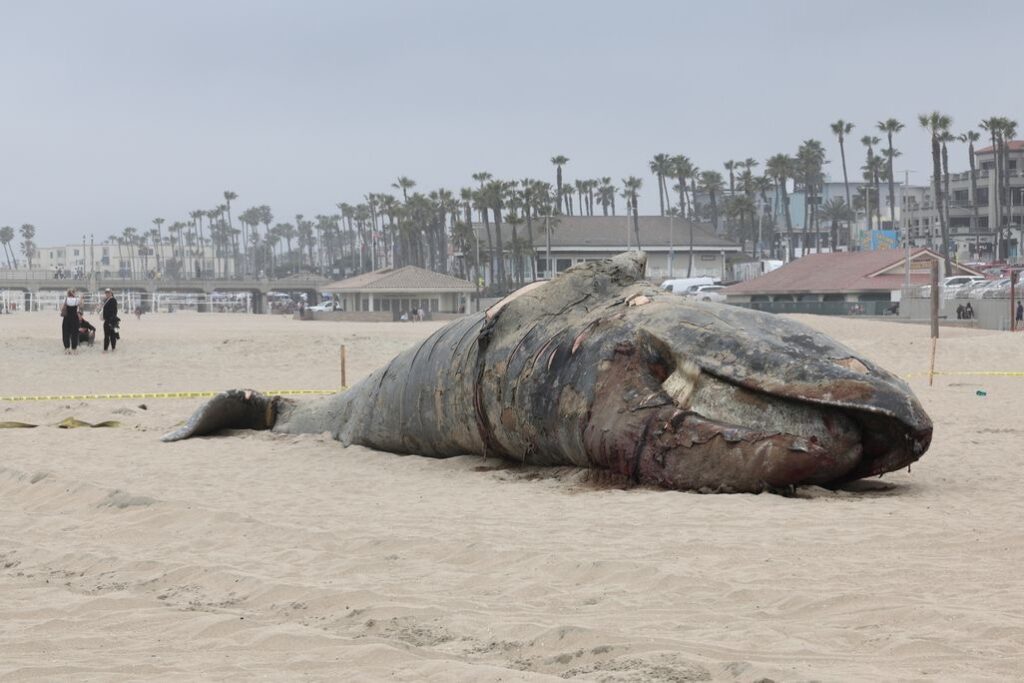
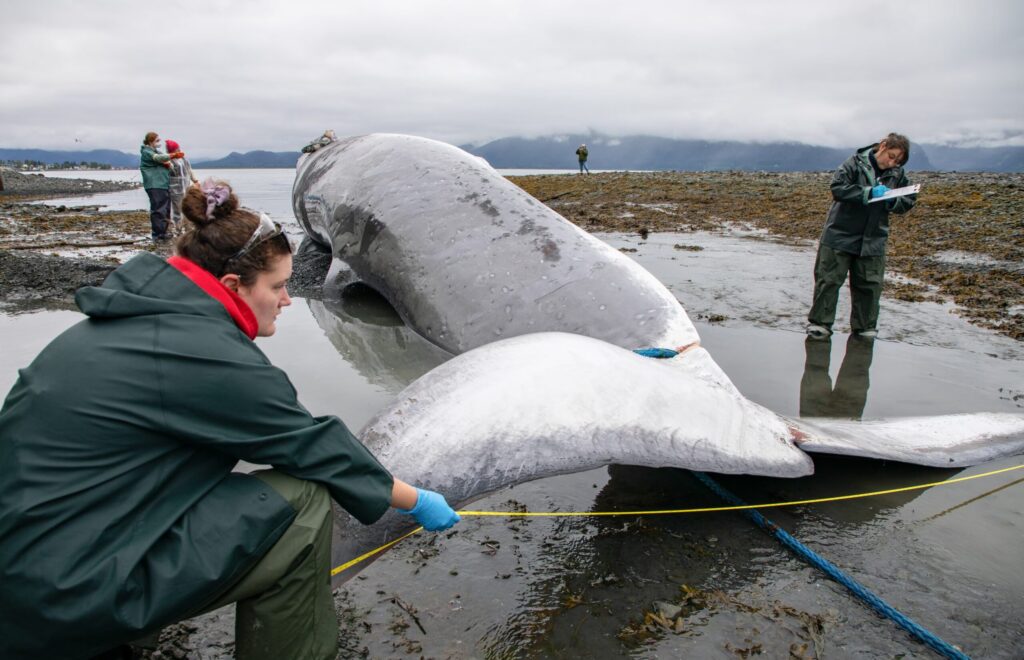
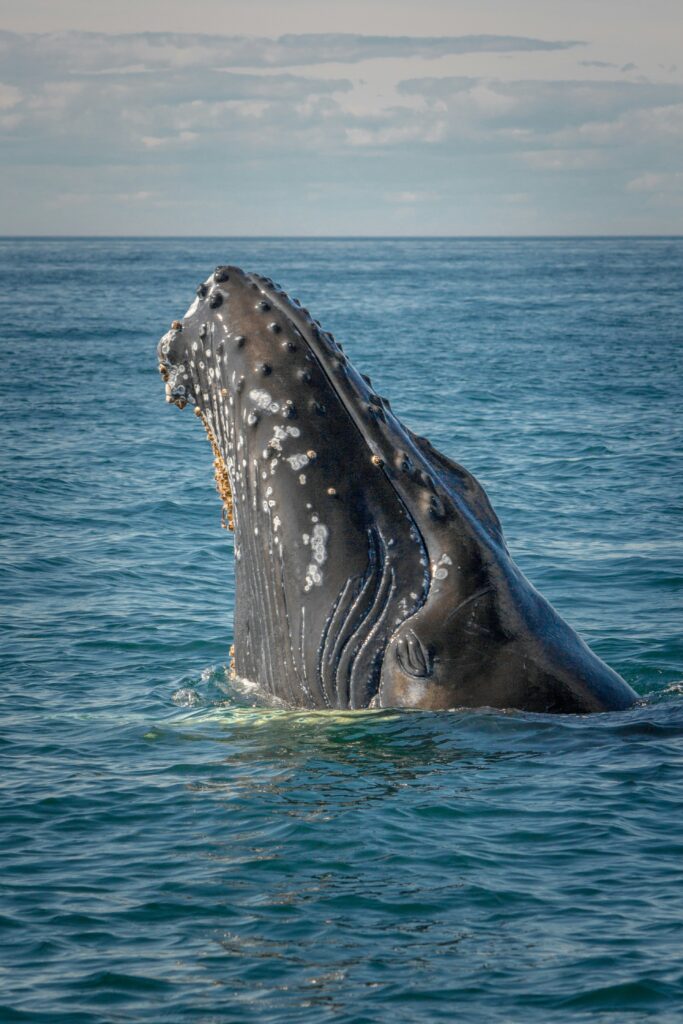
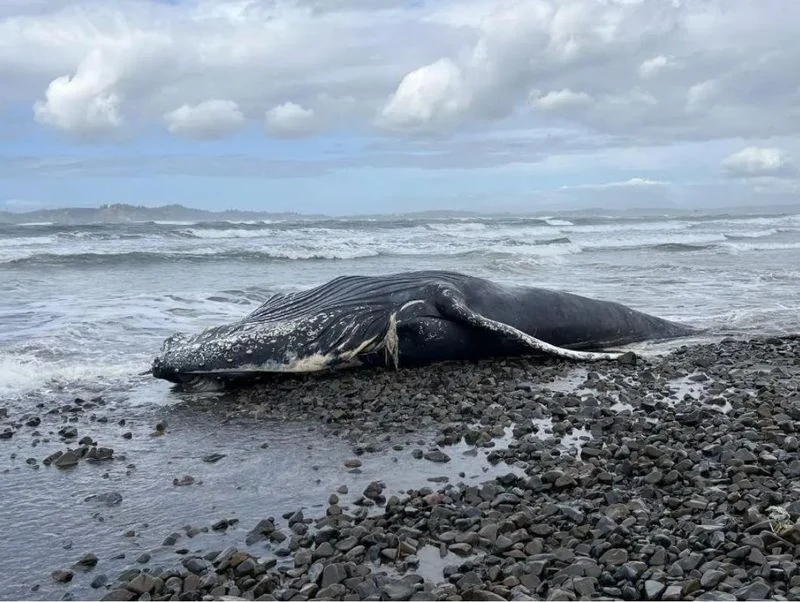
A necropsy found that a 32-foot humpback that washed ashore at the mouth of the Columbia River was killed by a vessels strike and had survived an earlier entanglement.
Source:
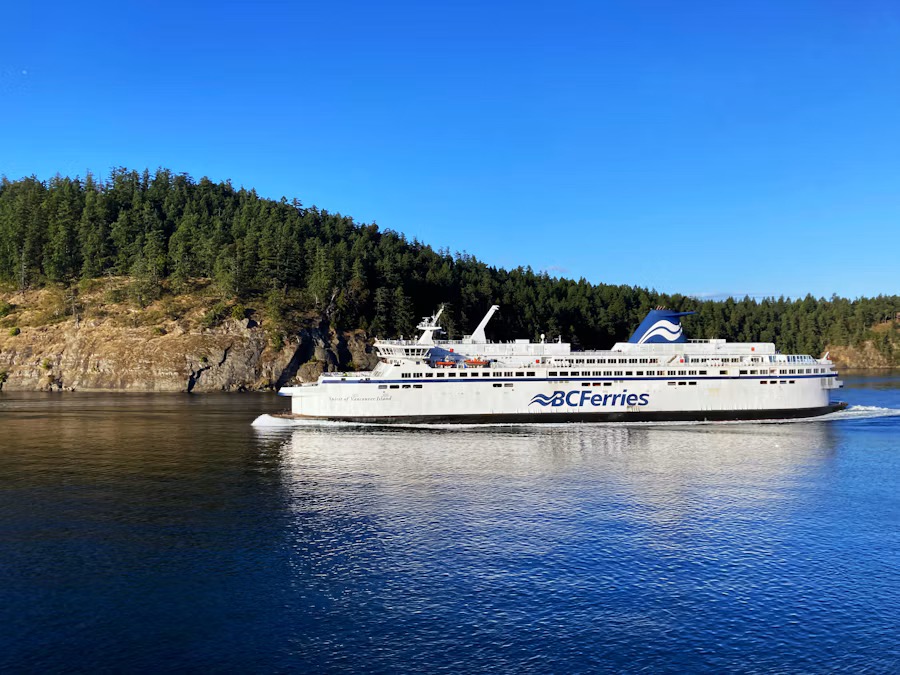
A BC Ferries vessel struck a humpback whale near Vancouver after it surfaced directly in the ship’s path, leaving the crew little time to react.
Source:
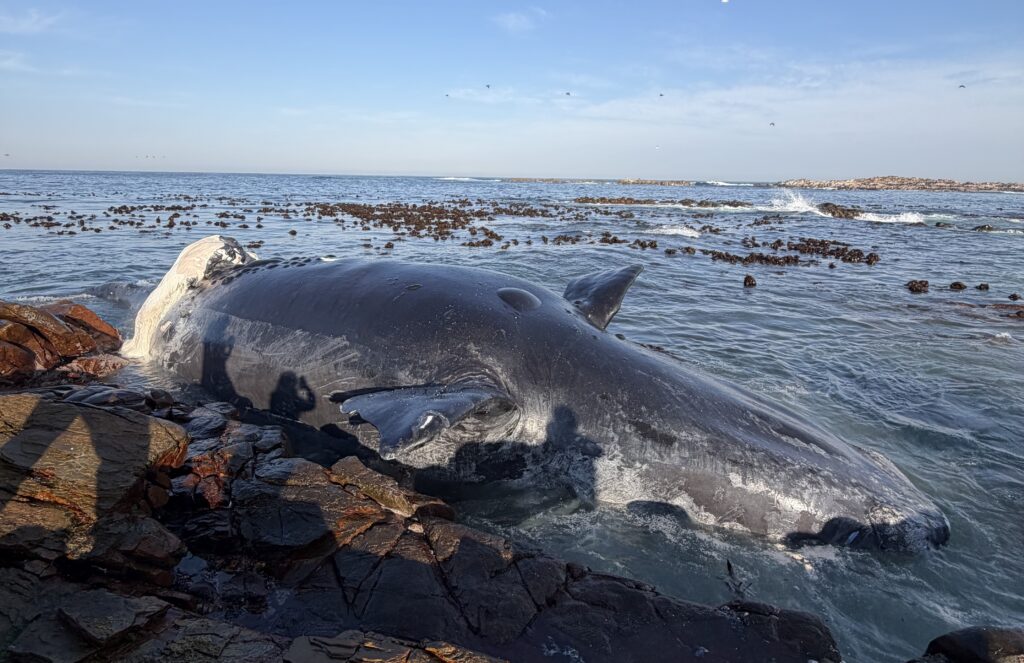
An adult southern right whale with head injuries consistent with a whale strike and a newborn calf were found dead a day apart near Dyer Island.
Source:
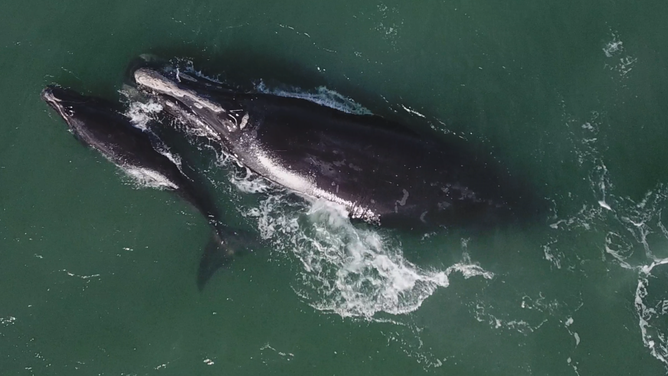
Two North Atlantic right whales were seen off Maryland in one of the busiest shipping lanes in the U.S., raising concerns about vessel strikes for a species with only about 380 left.
Source:
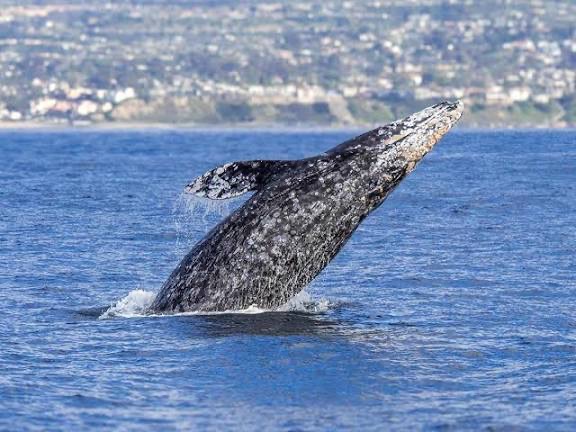
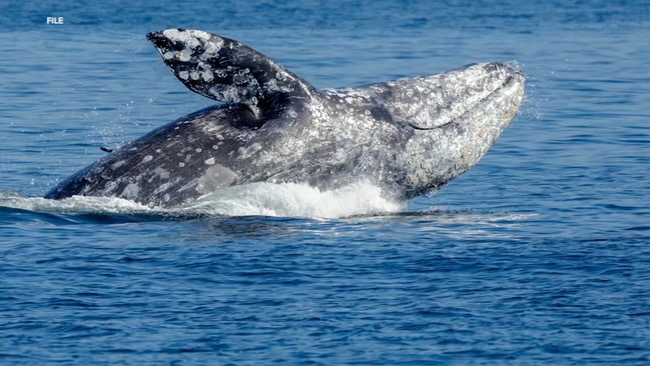
Nearly 150 gray whales have died along the Pacific Coast this year alone, as climate change disrupts their Arctic food supply and drives one of the steepest population declines scientists have recorded.
Source:
A cruise ship struck and killed a pregnant, endangered fin whale off Alaska, renewing calls to slow ships in whale habitat.
Source:
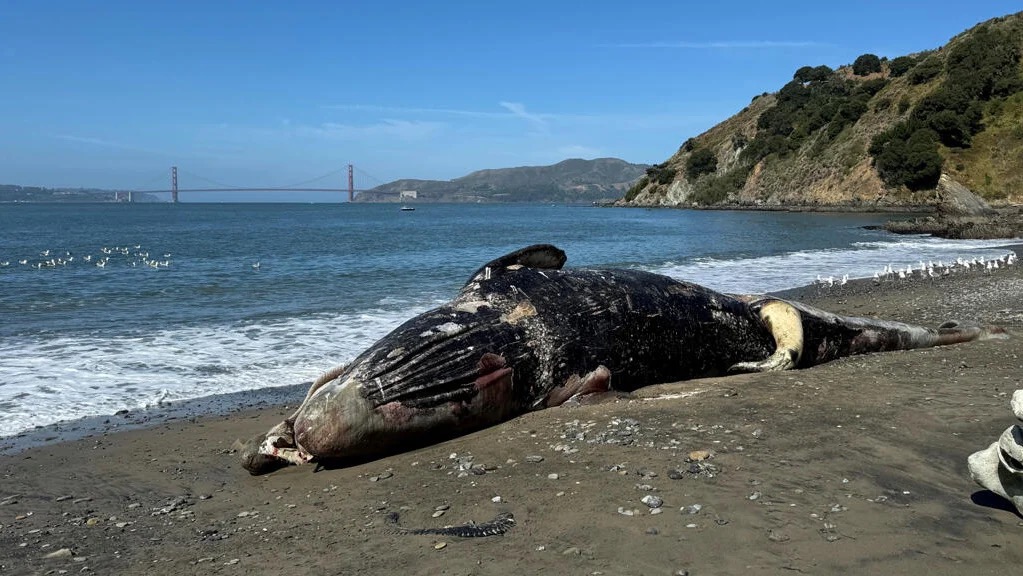
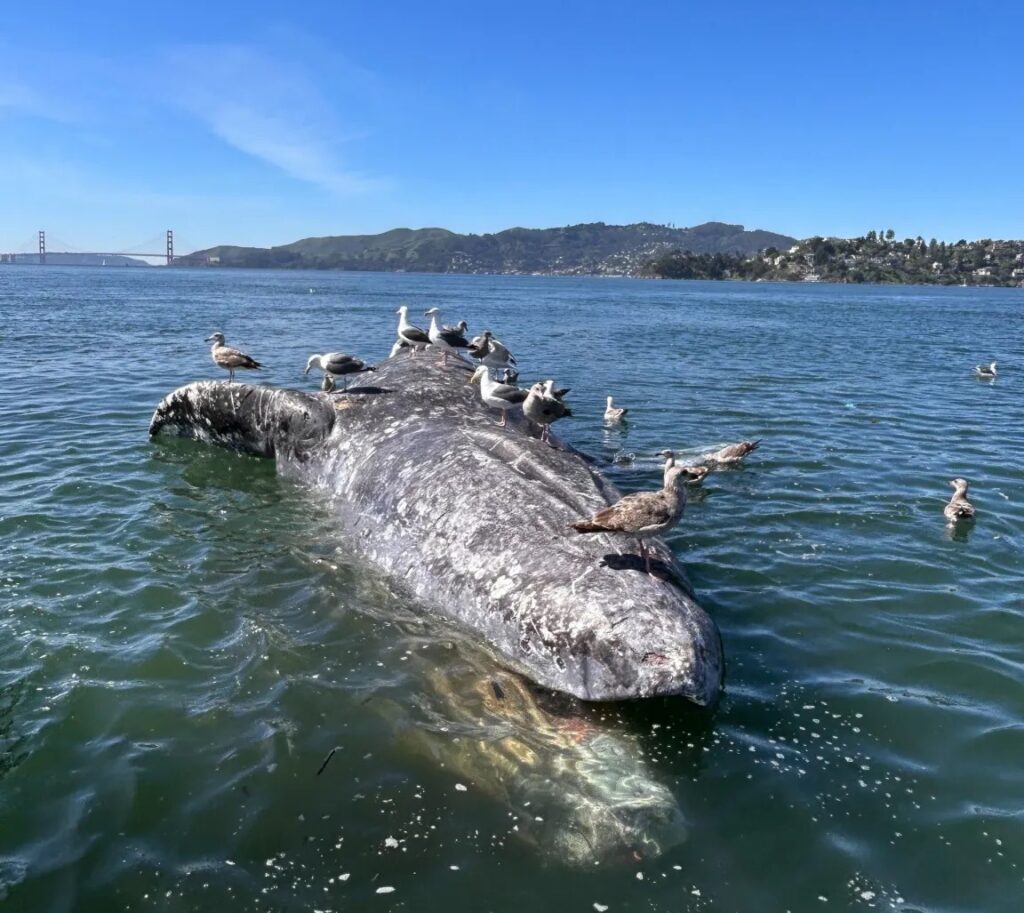
A gray whale was found dead near San Francisco’s Pier 80 after a suspected vessel strike – the 12th Bay Area whale death this year.
Source:
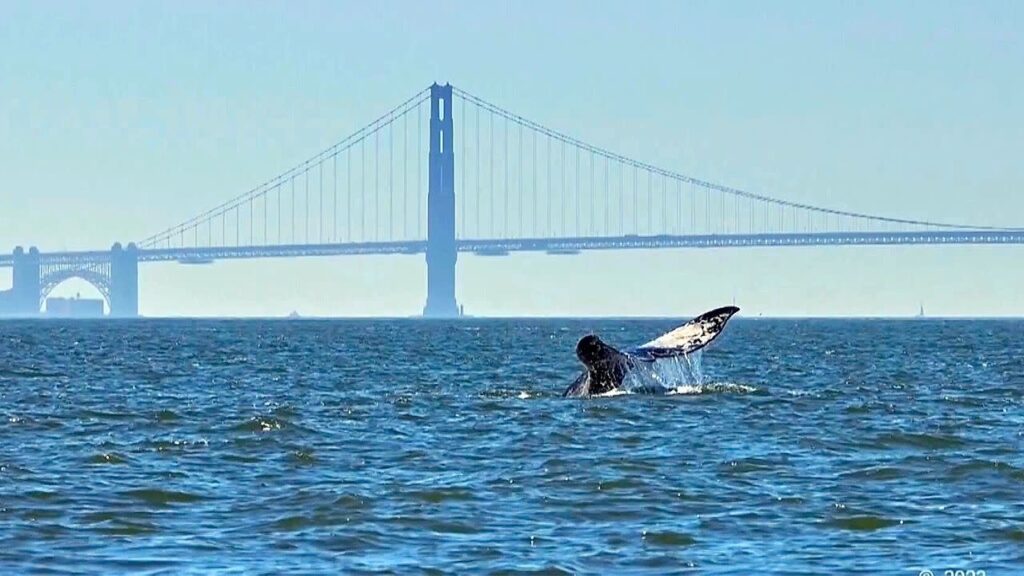
Climate change is driving gray whales into San Francisco Bay, where nearly 1 in 5 die from ship strikes and starvation. Scientists are raising the alarm.
Source:
WhaleSpotter in the News
Tracking whale activity where it matters most, in the headlines and on the water.
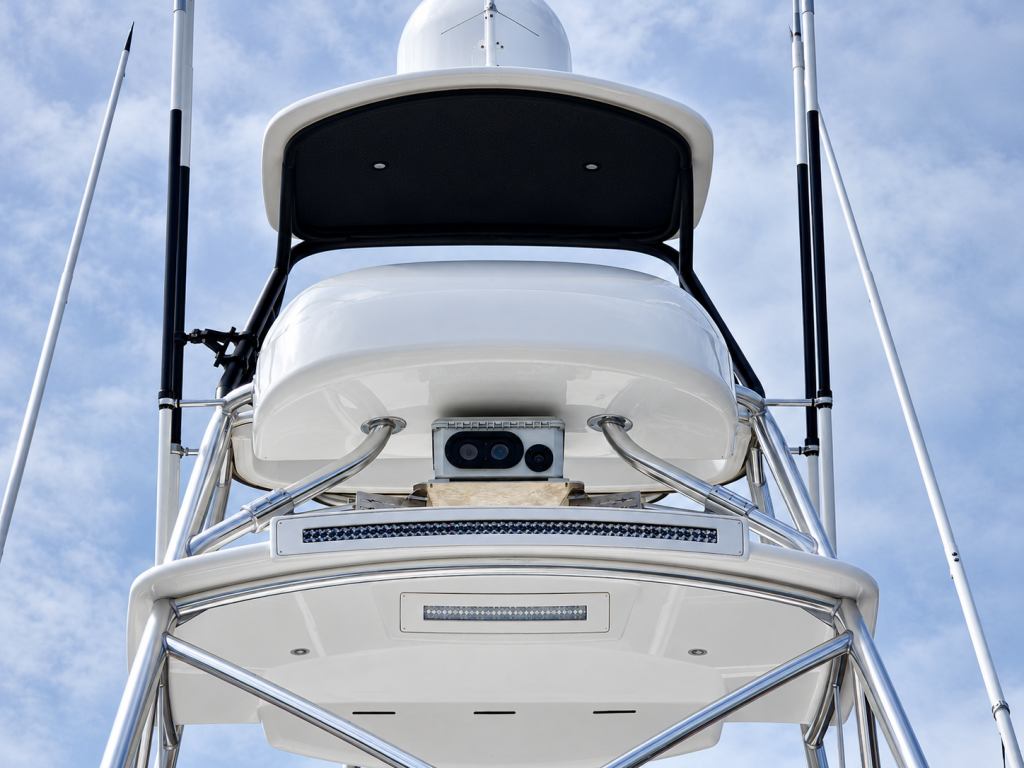
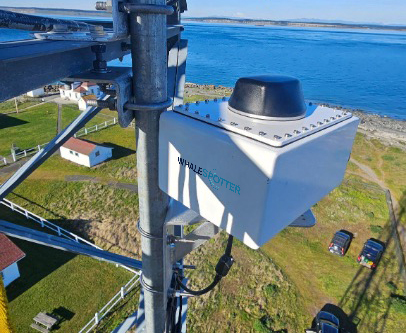
Viking Yachts puts WhaleSpotter AI-enabled thermal imaging to work aboard the 70, giving captains early warning of whales in their path.
Source:
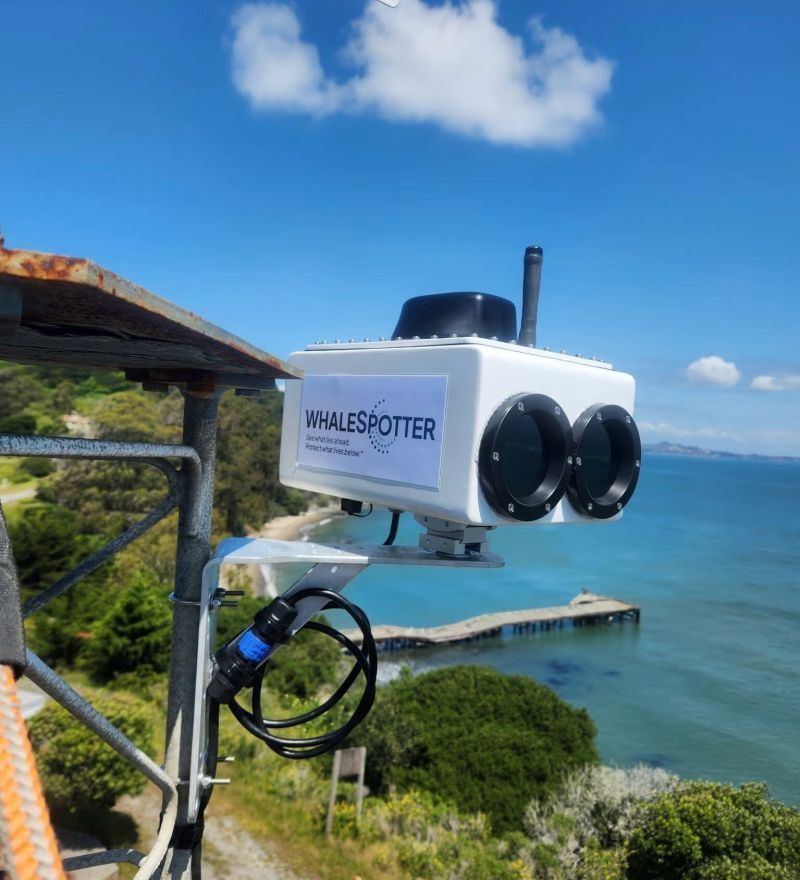
How WhaleSpotter’s AI-powered ship and land based cameras protect whales in San Francisco Bay.
Source:
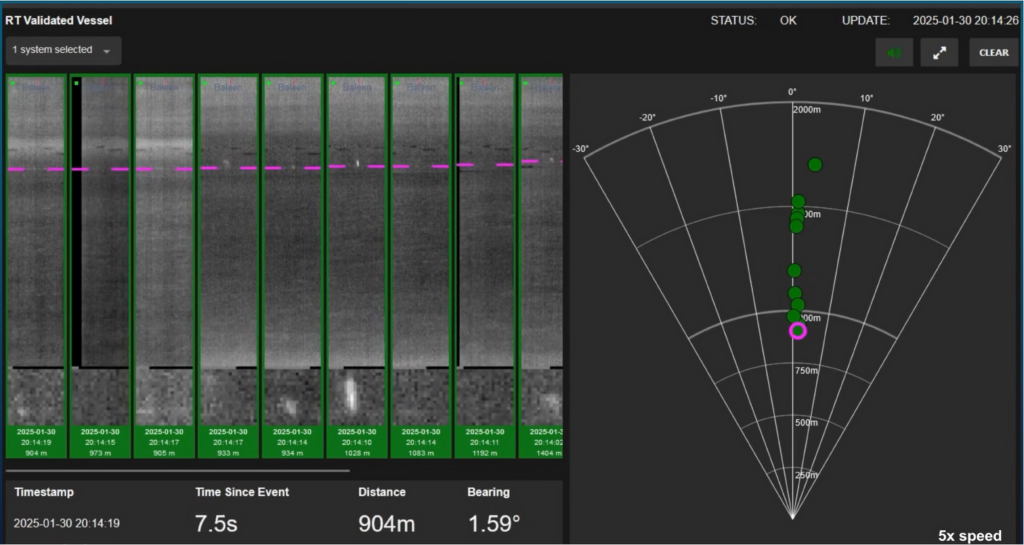
Inside WhaleSpotter’s AI and thermal imaging system helping San Francisco Bay mariners detect and avoid deadly vessel strikes.
Source:
New advances in thermal imaging are helping mariners detect whales before dangerous vessel encounters occur.
Source:
Technology that detects gray whale spouts is giving mariners more time to avoid collisions in San Francisco Bay.
Source:
WhaleSpotter launches a real-time detection network to protect gray whales from vessel strikes in one of the Bay’s busiest corridors.
Source:
WhaleSpotter Co-Founder and Chief Scientist Dan Zitterbart, PhD, explains how the system detects and avoids whales in San Francisco Bay, where whale strikes have increased dramatically in recent years. Video: FOX KTVU
Source:
CEO Shawn Henry discusses how WhaleSpotter monitors San Francisco Bay around the clock, sending real-time alerts to mariners when whales are near. Video: AP
Source:
Research Papers
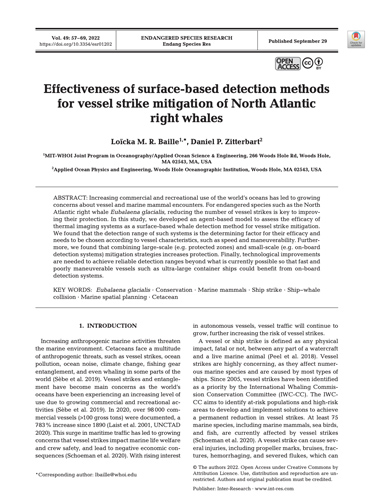
Based on research at the Marine Animal Report Sensing (MARS) Lab at Woods Hole Oceanographic Institution.
Source:
Source:
Lorem ipsum dolor sit amet, consectetur adipiscing elit. Ut elit tellus, luctus nec ullamcorper mattis, pulvinar dapibus leo.